Frontend Engineer - Lagos, Nigeria

Interfaces that feel fast, ship full-stack, and hold up under real use.

I'm Joseph Okoemu Osaze, a frontend engineer who owns the whole flow from interface to database to deployment. I care about clear user journeys, fast interfaces, strong form UX, and the backend wiring that makes the frontend actually useful.

  • Built a live AI resume product with auth, CRUD, payments, and API integrations.
  • Diagnosed and fixed a slow UI by rebuilding the caching and data-fetching layer.
  • Comfortable owning the full flow interface, database, deployment.
15–20 Monthly OrbitCV users
25+ Resumes generated
1 Paid user, real validation
~90m Saved per resume session
Production UI Auth & CRUD flows Payments & APIs Performance fixes users feel Lagos, Nigeria Production UI Auth & CRUD flows Payments & APIs Performance fixes users feel Lagos, Nigeria
01

Frontend is where I'm strongest. Product ownership is what makes me useful.

I learn fastest by building real products under real constraints. My best work happens where interface quality, product thinking, and practical backend integration meet.

How I think

I start with the user flow, then break the work into small parts I can test quickly. That's how I spotted the real bottleneck in OrbitCV, data fetching and caching, not rendering. After tightening that up with TanStack Query and cleaner state updates, the UI felt noticeably faster, even on slower connections.

I care about the details that reduce friction: validation and error states that show the exact field to fix and what to do next.

What teams get from me

  • A frontend engineer who thinks beyond components and cares about the whole user journey.
  • Someone who ships React interfaces, wires APIs, works with Supabase, and handles deployment.
  • A builder who's already shipped real flows: auth, payments, CRUD, AI features.
02

Tools I use to ship fast, usable, maintainable interfaces

Strong frontend fundamentals, practical product instincts, and enough backend knowledge to move without waiting on someone else for the basics.

Frontend foundations

HTML5 CSS3 JavaScript (ES6+) TypeScript SCSS Tailwind CSS

Frontend engineering

React TanStack Query Responsive UI Accessibility Performance Form UX

Backend & integrations

Supabase REST APIs Node.js (basic) Paystack OpenAI API Resend

Workflow

Git & GitHub Figma Vercel SEO basics Debugging Product thinking
03

Three projects that show how I build, debug, and improve products

These are the ones I'd walk a hiring manager through first they show real product decisions, trade-offs, and outcomes.

01

Founder · May 2026 – Present

OrbitCV

Most traction

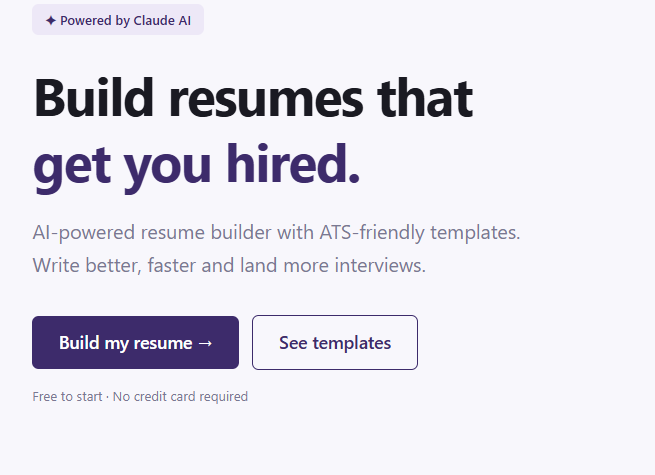
OrbitCV helps job seekers build resumes faster instead of losing hours to manual formatting. I built the product end to end and rebuilt the UI after tracing a caching and data-fetching bottleneck.

15–20 monthly users 25+ resumes generated 1 paid user
Live site Source
OrbitCV dashboard preview
02

Solo build

Ignited Youth App

Pre-launch

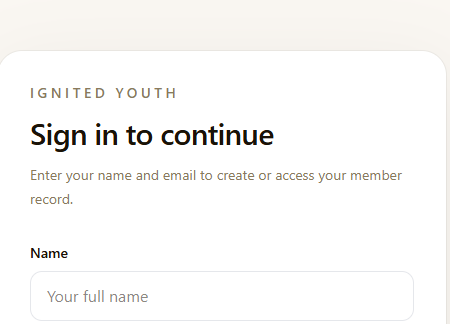
A web app for young Christians who need steady reminders of their faith without relying on scattered chat messages. I built the full experience and notification flow myself.

Email notifications Auth + database Solo ownership
Live preview Source
Ignited Youth app preview
03

Solo product

Axion Outreach

Internal tool

Prospect tracking and AI-assisted pitch generation, replacing scattered notes, tabs, and half-written drafts. Designed and built around a real repeated workflow.

Prospect tracking Pitch generation Internal use
Live preview Source

Internal workflow tool

Axion Outreach

Prospect tracking & pitch generation in one focused interface.

04

Product work, client delivery, and team collaboration

Early in my career, but the work is already practical: live product shipping, team collaboration, client delivery, and quality-focused improvements.

Founder · OrbitCV

Product & frontend engineering

May 2026 – Present

  • Built an AI resume builder with auth, CRUD flows, payments, and API-powered features.
  • Improved speed by tightening caching and reducing unnecessary re-renders with TanStack Query.
  • Own the UI, product decisions, integrations, deployment, and iteration loop.

Solo build

Frontend Engineer · TradeSafari

Team collaboration in a shared codebase

July 2026 – Present

  • Contribute frontend work in a team environment using GitHub-based collaboration.
  • Work through shared branches, reviews, and iterative product updates.
  • Growing deeper experience with team delivery habits, code ownership, and implementation quality.

Team environment

Frontend Developer · TrendIT Systems

Client landing page delivery

July 2026 – Present

  • Built a marketing landing page for a solar, IPTV, and IT support business with plain HTML, CSS, and JavaScript.
  • Handled responsiveness, performance, SEO structure, forms, and ongoing content updates.
  • Shipped a clean, lightweight site designed to load fast and communicate clearly.

Client work

Open Source Contributor · Club Gamma

Good First Issue Web App

May 2026

  • Contributed to a public web app through a focused quality-improvement issue.
  • Improved metadata and page structure to strengthen discoverability and social sharing.
  • Added polish with accessibility-minded adjustments and cleaner presentation.

Open-source contribution

05

Ready for frontend roles where shipping and product judgment matter.

Hiring for a frontend engineer, UI engineer, or frontend-leaning full-stack role? I'd love to talk.

Case study

OrbitCV

Problem

Building a good resume still takes too long for many job seekers because the process is usually split across messy editors, templates, and manual formatting work.

My role

I founded and built OrbitCV end to end — frontend, auth, CRUD flows, AI integration, payments, database setup, deployment, and product iteration.

Tech + trade-offs

React and Supabase were the right choice because I needed to move fast with a real product while keeping reliable auth and data storage. TanStack Query became important once I traced early UI slowness to caching and data fetching. The trade-off was extra state and integration complexity, but it let me ship faster and keep improving a live product.

Measurable outcome

  • Around 15–20 monthly users.
  • 25+ resumes generated.
  • 1 paid user, which validated real willingness to pay.
  • Roughly 90 minutes saved per resume session compared with building from scratch.

What I learned

Performance issues are often data-flow issues in disguise. Once I improved the fetch and cache strategy, the product felt faster immediately. I also learned how much confidence better validation and clearer UX creates in a product tied to job applications.
Case study

Ignited Youth App

Problem

Youth communities often depend on scattered messages and inconsistent reminders. I wanted a product that gives young Christians steadier prompts and a clearer way to stay engaged.

My role

I built the entire app myself, including the UI, authentication, data layer, and notification flow.

Tech + trade-offs

A web app was the fastest way to launch something accessible on any device. React, Supabase, and Resend covered the core needs without unnecessary overhead. The trade-off is that the product is still in its rollout stage while the domain is being finalized, so usage metrics aren't the story yet.

Measurable outcome

  • Built a working MVP with auth, email notifications, and a database-backed content flow.
  • Shipped the entire product as a solo builder.
  • Current focus is launch readiness and a smoother rollout path.

What I learned

Reminder products need more than notifications. The habit only sticks when the experience feels clear, calm, and easy to return to.

Case study

Axion Outreach

Problem

Prospecting was scattered across notes, browser tabs, and half-written pitch drafts. I needed one tool that kept the workflow tight.

My role

I designed and built the entire product for my own workflow, which meant I could iterate quickly and make trade-offs based on actual daily use.

Tech + trade-offs

React, Supabase, and the OpenAI API let me manage prospect data and generate client pitches from one interface. Because the tool was built for me first, I optimized for speed and usefulness over broad customization — faster iteration, even with limited external feedback.

Measurable outcome

  • Built a single interface for prospect tracking and pitch generation.
  • Reduced the need to manage outreach across scattered tools.
  • Usage is internal, so outcomes are practical but not formally tracked yet.

What I learned

Internal tools are one of the fastest ways to sharpen product instincts. You feel immediately whether the flow helps you move faster or adds friction.